Core Drill Overheating
Quick takeaway: Overheating can involve unsuitable speed, load, cooling, wrong/worn bit, blocked cooling path, or equipment issues. Keep electrical/motor diagnostics conservative, no unsafe internal repair instructions.
Potential factors
- Unsuitable speed
- Excessive load / forcing the cut
- Cooling (wet supply or dry extraction)
- Incorrect bit
- Worn bit
- Blocked cooling path
- Equipment / electrical issue (follow manufacturer service)
Overheating diagnostic table
| Heat pattern | Likely checks | Response |
|---|---|---|
| Bit or barrel heats quickly | Cooling flow, dry-use permission, RPM, glazed or worn segment | Stop and correct the documented cutting setup |
| Motor housing becomes unusually hot | Duty cycle, feed load, ventilation, diameter and gear selection | Allow the prescribed cool-down and consult the manual |
| Plug, lead, or connector heats | Electrical supply or damaged equipment | Disconnect immediately; use a qualified service technician |
| Heat follows binding or vibration | Alignment, stand stability, debris, or damaged barrel | Power down before inspection; do not force rotation |
Safe response workflow
- Release the feed and stop the machine; isolate power before inspection.
- Do not touch hot metal or introduce water unless the exact system permits it.
- Verify gear/RPM, diameter limit, bit method, cooling or extraction, and feed technique.
- Inspect accessible ventilation and fluid paths according to the manual.
- Resume only with a short monitored cut; persistent heat, odor, tripping, or damaged wiring requires service.
Limitation: This workflow separates setup checks from repair. It does not authorize opening a motor, bypassing protection, or diagnosing live electrical components.
Information to give a service technician
Record the exact model, bit and diameter, gear or RPM, wet or dry drilling method, substrate, approximate run time, duty pattern, protection trips, unusual odor or noise, and where heat was observed. Clear observations are more useful than continuing a test that may worsen damage.
Prevention
- Choose the documented gear before starting and remain within both machine and bit limits.
- Verify water flow or dust extraction and keep permitted ventilation paths clear.
- Use a stable, aligned setup and avoid replacing cutting progress with feed force.
- Respect the stated duty cycle and investigate repeated protection trips.
- Inspect leads, plugs, water fittings, and the bit before each use; damaged equipment stays out of service.
Follow manufacturer manuals and jobsite electrical/water safety procedures. CoringSpec is not a repair manual.
Next steps & equipment selection
Related
Sources and methodology
Claims follow manufacturer manuals and product documentation first. Marketplace listings are used only for offer-specific facts. CoringSpec does not treat random affiliate blogs as primary technical evidence.
Products for this page

Core drill
Hilti DD 110-W
6.375" max · corded
Handheld Hilti BI+ wet concrete / dry masonry coring in the DD 110-W diameter bands.

Core drill
VEVOR Z1Z-9260
11.8" max · corded
Largest VEVOR budget stand tier for holes approaching 12".
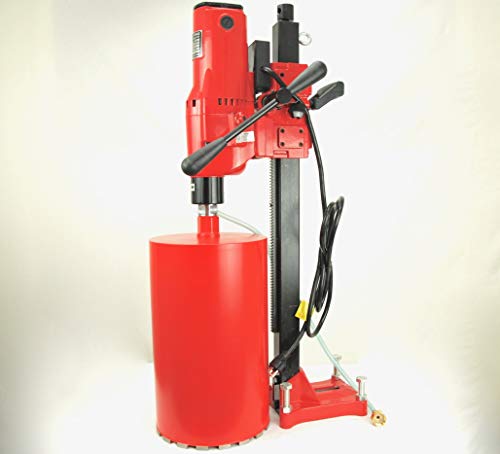
Core drill
BLUEROCK 10Z1
10" max · corded
Large-diameter value stand rig up to 10" for commercial concrete and utility penetrations.

Core drill
Husqvarna DM 540i
4" max · cordless
Lightweight cordless commercial handheld / light stand work.
Paid links. Specs on this site come from manufacturer documentation, not from the retailer.